Introduction
Water can affect far more than flooring and walls after a leak or flood. Moisture enters carpet backing, insulation, timber, and furnishings, creating conditions that support mould growth. Spores can then spread through indoor air, causing unpleasant odours and possible irritation for sensitive occupants. Fast action limits this chain of damage. A clear response plan should cover moisture removal, ventilation, material checks, cleaning, and follow-up inspections before normal routines resume.
Act Quickly After Water Enters
A property owner should stop the source, isolate electrical risks, and record affected areas before cleanup begins. Professional water damage restoration adelaide can help remove standing liquid, dry saturated materials, and assess hidden moisture. Early extraction matters because water can travel beneath floor coverings and inside wall cavities. Delays give mould more time to establish colonies, increase odours, and damage materials that might otherwise remain usable.
Why Mould Develops
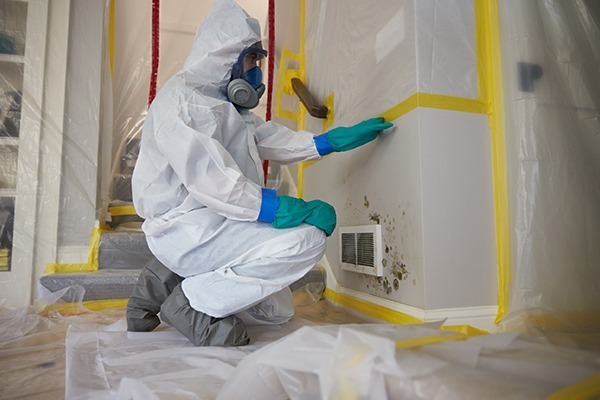
Mould needs moisture, oxygen, and a food source such as paper, timber, dust, or fabric. Damp conditions can support growth within a few days, especially in warm, poorly ventilated rooms. Colonies may appear as dark spots, fuzzy patches, or discolouration. However, visible marks are not always present. Hidden growth can sit below carpet, behind skirting boards, or inside plasterboard.
Hidden Moisture Creates Risk
Water often moves beyond the area first noticed by occupants. Carpet underlay, subfloors, wall insulation, and cabinet bases can hold dampness after surface drying. A moisture meter can identify wet zones that feel dry to touch. Checking several materials helps reveal whether drying has reached the full depth. Without this step, trapped water may continue feeding mould and produce recurring musty smells.
Indoor Air Quality Changes
Mould releases tiny particles into the surrounding air as colonies grow or become disturbed. Other pollutants may also increase after flooding, including bacteria, cleaning residues, and particles from damaged materials. Occupants can notice stale odours, throat irritation, coughing, or watery eyes. Such symptoms have many possible causes, so a medical professional should assess persistent concerns. Air quality improves when the moisture source is removed.
Materials Most at Risk
Porous items absorb liquid quickly and may remain damp for longer than hard surfaces. Carpet, upholstery, mattresses, cardboard, and untreated timber often require careful assessment. Some items can be dried and cleaned, while heavily contaminated materials may require disposal. Hard flooring, tiles, and sealed surfaces usually respond better to cleaning, although gaps and edges still need inspection.
The Drying Process
Effective drying combines extraction, air movement, and moisture control. Industrial fans can move damp air away from materials, while dehumidifiers lower humidity inside the room. Technicians may lift carpet edges, remove skirting boards, or open concealed sections for access. Temperature also affects drying speed. Progress should be checked with moisture readings rather than judged by touch alone.
Cleaning and Contamination
Floodwater quality affects the required cleaning method. Clean supply water creates different risks from sewage, stormwater, or drain overflow. Contaminated liquid can carry bacteria and other harmful substances across floors, walls, and furniture. Protective equipment and controlled removal reduce exposure during cleanup. Cleaning products should suit each material, since harsh chemicals can damage fibres, finishes, paint, or sealants.
Ventilation Needs Care
Fresh air can assist drying, but open windows may add humidity during wet weather. A controlled approach works better than leaving every opening exposed. Fans should direct air away from occupants and toward suitable exhaust points. Air conditioning or dehumidification may help in enclosed rooms. Any system affected by floodwater requires inspection before operation, since internal contamination can spread through ducts.
Preventing Repeat Problems
Repairs should address the original cause, not just the visible stain. Leaking pipes, blocked gutters, failed seals, roof faults, and appliance hoses can all introduce moisture. Property owners should check these points after cleanup and arrange repairs promptly. Regular ventilation, prompt spill removal, and routine inspection of damp areas can reduce future risk. Furniture should also stand slightly clear of walls where practical.
When Expert Help Is Needed
Professional assistance becomes important after extensive flooding, sewage exposure, hidden dampness, or strong odours. Trained technicians can trace moisture, select suitable equipment, and separate salvageable materials from unsafe items. They can also document affected areas for insurance records. Occupants should avoid disturbing suspected mould, especially when large patches appear or vulnerable people live in the property.
Conclusion
Water damage can trigger a chain that affects structure, belongings, and indoor air. Moisture hidden beneath coverings or inside cavities may support mould before visible signs appear. Prompt extraction, measured drying, careful cleaning, and source repairs can limit that risk. Property owners should treat odours, stains, and recurring dampness as warning signs rather than minor faults. A timely assessment protects materials and helps occupants return to a cleaner, healthier home.