Introduction
Seasonal cleaning gives carpets regular care before dirt, moisture, and household traffic create lasting damage. Each period brings different risks, from spring pollen to winter dampness. A planned routine helps households notice stains early, remove grit, and maintain a fresher indoor setting. Data-led timing also supports sensible spending, because small maintenance tasks can reduce the need for intensive restoration. With suitable tools, measured products, and professional support, floor coverings can stay attractive and functional for longer.
Begin With a Spring Carpet Check
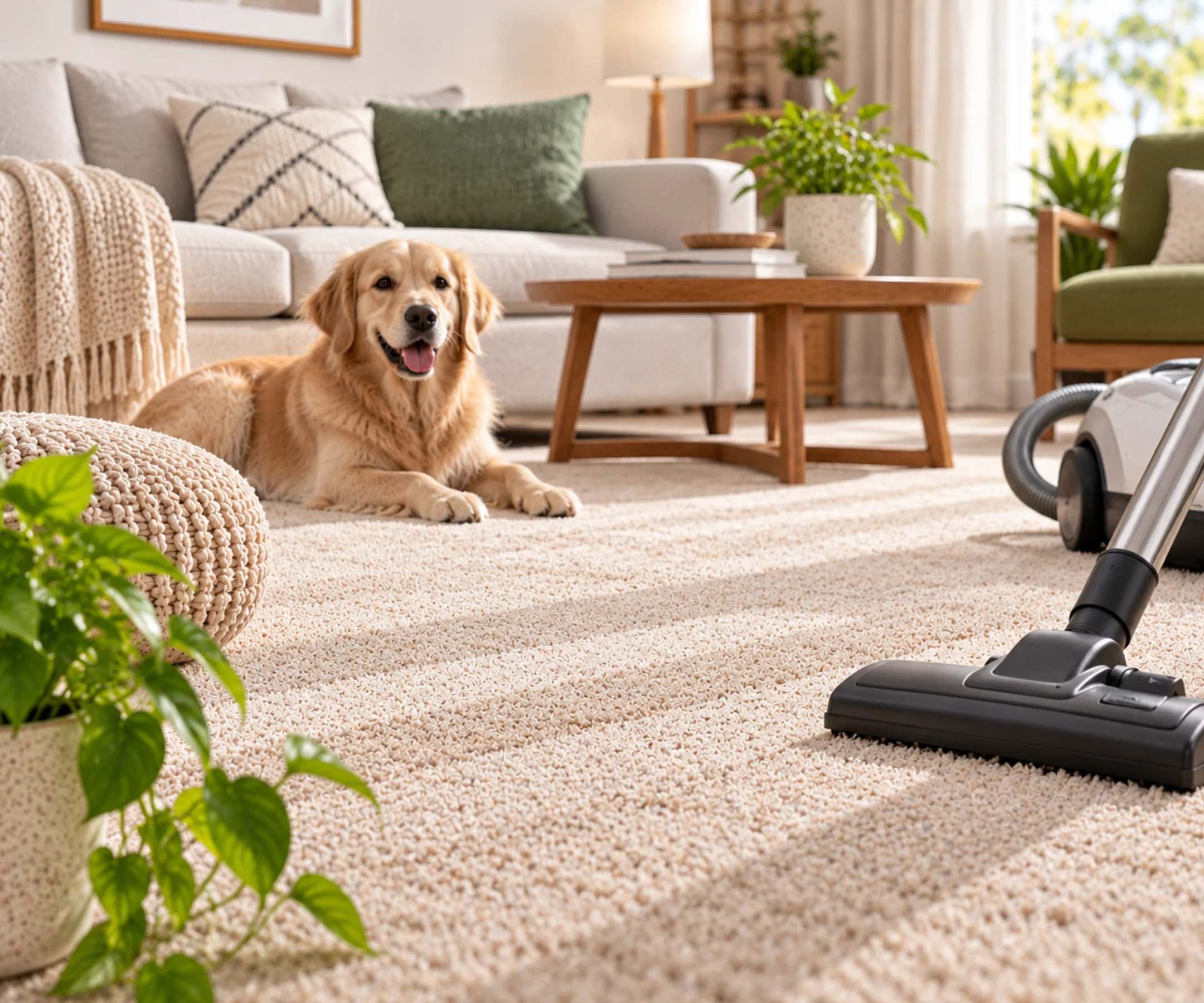
Spring provides a useful point for assessing carpet condition after cooler months. Households can inspect hallways, entrances, stairs, and lounge areas for flattened fibres or darkened patches. A vacuum with strong suction should pass over busy zones twice weekly, while quieter rooms may need one weekly visit. This simple schedule lifts loose grit before particles work deeper into the pile and cause surface wear.
Schedule Professional Support for Ground-In Dirt
Home equipment removes surface material, but embedded residue often needs stronger extraction and controlled drying. For households seeking local assistance, carpet cleaning pimpama offers a relevant service option for routine or deeper care. Professional attention can address marks, odours, and trapped soil while reducing excess moisture. A suitable booking after peak summer activity can refresh fibres before the next busy period.
Prepare Floors Before Autumn
Autumn brings increased foot traffic as windows close and family members spend more time indoors. Entry mats can capture grit before it reaches soft flooring, especially near external doors. Their condition matters, because a saturated or dirty mat transfers material instead of stopping it. Washing or replacing mats each season supports cleaner carpets. Shoes left near entrances also reduce soil movement across larger areas.
Control Moisture During Wet Weather
Damp conditions can leave fibres wet for too long, increasing the chance of musty smells and microbial growth. Rooms should receive steady airflow after spills or cleaning work. Fans, open windows, and raised furniture legs can support faster drying when weather permits. A moisture reading below 60 percent indoors is generally preferred for comfort, although building conditions may differ. Persistent dampness needs prompt investigation.
Use Vacuuming as a Measured Routine
Vacuuming frequency should reflect household activity rather than a fixed rule. Homes with children, pets, or frequent visitors may need several passes each week. Slow movements allow equipment to collect more particles from the pile. Filters require regular checking, since a blocked filter reduces suction. Crevice tools can reach edges where dust gathers. Careful coverage protects fibres from abrasive grit and delays visible flattening.
Treat Spills Before Marks Set
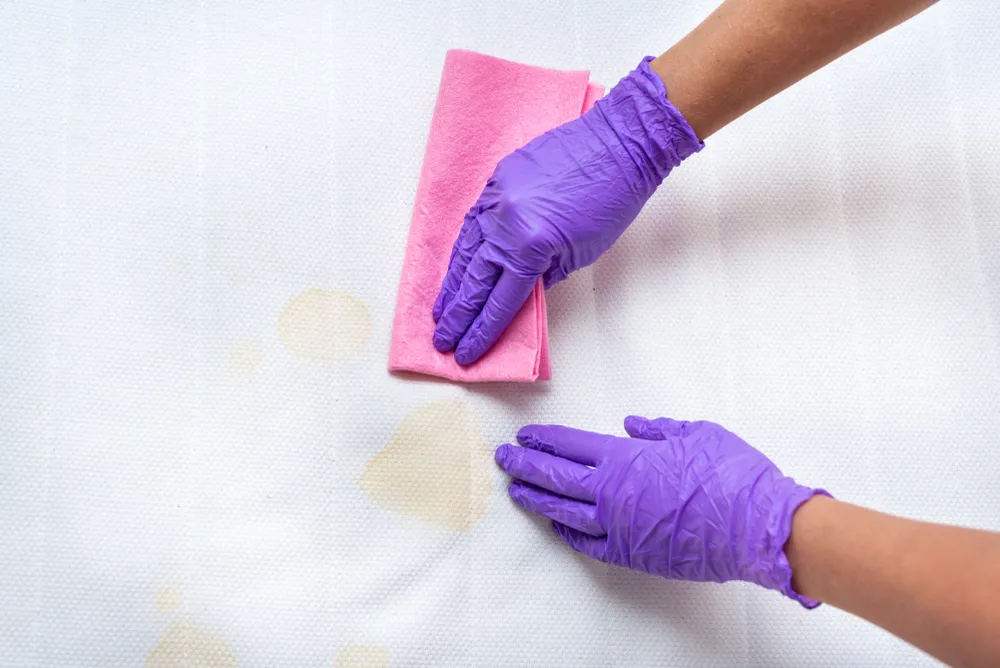
Quick action limits the time liquid has to spread through carpet backing. A clean, absorbent cloth should blot from the outside toward the centre, without scrubbing. Rubbing can distort fibres and push colour deeper. Household products should be tested on a hidden section before wider use. Grease, dye, pet waste, and unknown substances may require specialist treatment, particularly if a mark remains after gentle blotting.
Move Furniture to Reduce Wear
Heavy furniture can compress pile and create traffic patterns around its edges. Shifting selected pieces a few centimetres every few months distributes pressure across a broader area. Protective cups under narrow legs can reduce dents, while felt pads help prevent dragging damage. Before moving an item, the surface should be vacuumed. Furniture placement also affects cleaning access, allowing dust to accumulate when gaps remain blocked.
Improve Indoor Air During Winter
Closed rooms can hold dust, cooking vapour, and pet odours for longer periods. Regular ventilation, clean air filters, and controlled heating can help maintain better conditions. A portable air purifier may assist rooms with allergy concerns, though it cannot replace carpet maintenance. Curtains and upholstery also collect particles, so seasonal cleaning should include nearby fabrics. Coordinated care reduces the material that settles back onto flooring.
Record Each Cleaning Session
A basic record can show which rooms need attention most often. The log may include date, treatment type, stain location, drying time, and visible results. This information helps households compare seasonal changes and identify recurring problems near doors or food areas. Product labels should be retained, especially where fibres have manufacturer care requirements. Clear notes also help technicians select safer methods during future visits.
Conclusion
Seasonal carpet care works best as a repeated cycle rather than a single annual task. Spring inspections, autumn preparation, frequent vacuuming, prompt blotting, and moisture control each protect floor coverings in different ways. Professional extraction can address residue that household tools leave behind, while simple records support better timing. When households combine practical habits with suitable servicing, carpets receive steadier attention, resist avoidable wear, and remain cleaner through changing weather.