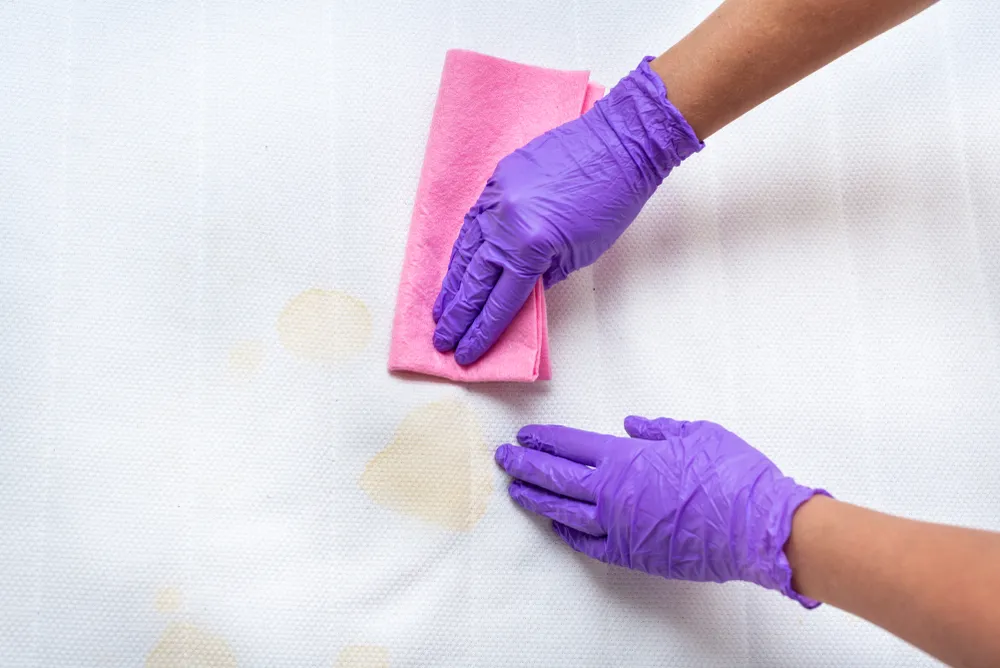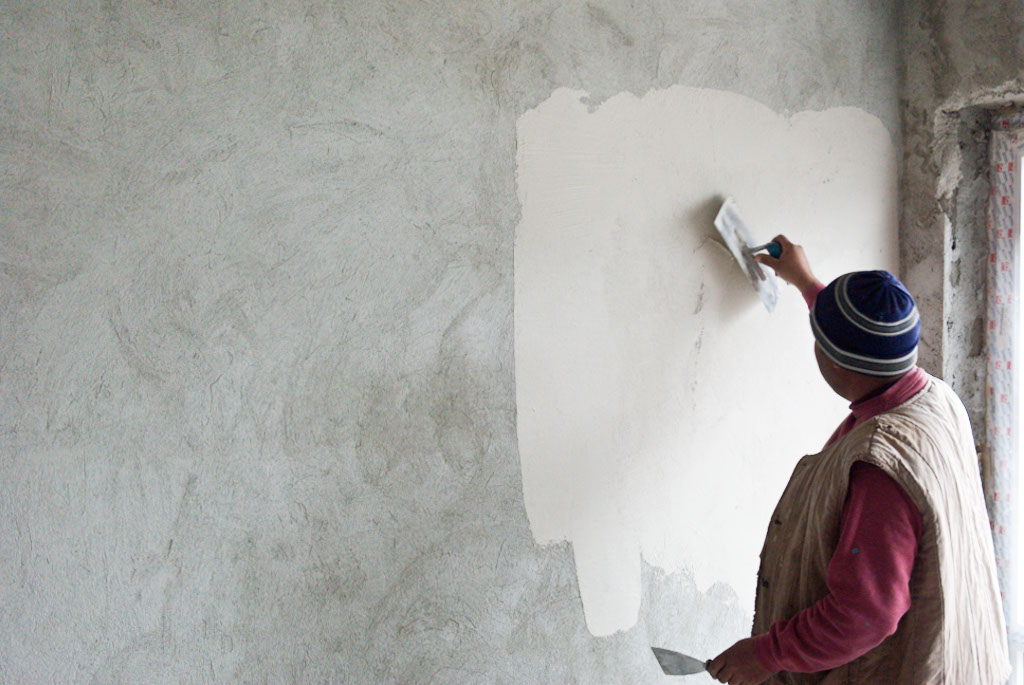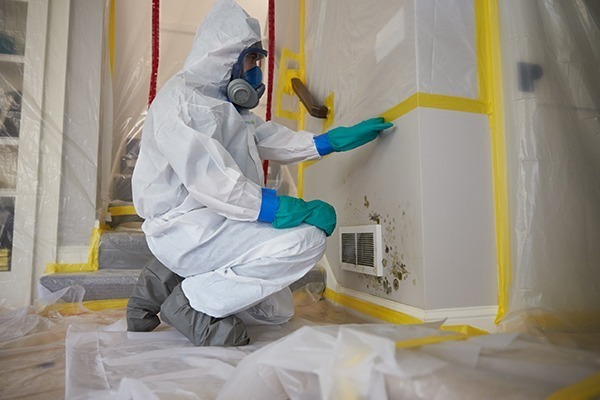
• How to Acquire Commercial Cleaning Contracts and Customers

    How to Acquire Commercial Cleaning Contracts and Customers

    The Clean Advice Team outlined the steps that entrepreneurs can take to start a cleaning company and provided an industry analysis in our previous post “How and Why to Start an office Cleaning Business”. The second part of our series on the facts about operating a commercial cleaning business includes a guide to acquiring office cleaning contract along with considerations.

    After establishing the office cleaning foundations by organizing, buying the necessary tools, and developing a marketing plan, it’s time to sell janitorial service. The basic methods of gaining customer accounts are similar regardless of the industries that a company services and the cleaning programs it offers. There are some standard things that every office cleaning owner should consider.

    What Facilities Should I Clean?

    It’s crucial to first determine what kind of facility you want to target. When selecting the facility type, it is important to consider how industries and facilities differ. Light industrial and manufacturing facilities, for example, will require a lower level of service compared to a daycare or medical facility. Cleaning requirements for facilities vary depending on the purpose of an organization. The needs of an organization that is tasked to care for infants are different from those of an organization that distributes cardboard boxes.

    In thinking about what types of customers you want to pursue, think about your skills, strengths and weaknesses determining what suits your skillset best will help you identify your ideal customers. You may not require recurring janitorial service, but you may need special event cleaning following an office party. Special event cleaning contracts have many different needs. The entrepreneur will need to decide which one of these contracts they want to pursue.

    Clean Close – Travel, Expenses and Logistics

    In the second place, you should consider travel and logistics when selecting which clients to target. Travel time is a cost, both in money and time. It should not be ignored when deciding what types of contracts to target for your office cleaning company. Calculating the costs of traveling to clients is a good idea. It is also important to research areas in which your target clients can be located and sell to those areas that are closer. By clustering your accounts geographically close together, you can reduce the time it takes to commute and associated costs. You will also be able to limit the chances of missing a clean due to traffic and other uncontrollable and unforeseen circumstances.

    Office Cleaning Services Types

    In order to sell and price your cleaning contracts, it is crucial that you create a list of services your office cleaning firm intends on providing. The frequency of service, such as the number of times per week or month that you plan to provide it, will affect not only the time commitment required but also the price the customer pays for your services.

    You should also consider the frequency of cleaning, whether it is nightly or weekly. You may decide to include weekly high dusting as part of your cleaning contract, or to dust every night. If you choose the second option, your cleaning company would spend more time at the client’s facility in order to do high dusting. This will increase your costs, which should be passed onto the client.

    How To Get Cleaning Contracts: Tools To Use

    Traditional Sales Channels

    It is now time to start selling contracts. After identifying your ideal client, deciding which geographical area(s), and defining your service offerings, you can begin to sell contracts. Cold calling is the most cost-effective and effective way to obtain commercial cleaning contracts in Adelaide . You can start by tapping into your existing network of local office managers or business owners.

    After you have a solid base of satisfied clients, you can ask these people to recommend you to other companies in their building, industry, or network. Referrals from word-of-mouth are a vote of confidence in your brand, and make it easier to sell contracts to new clients. Cold calling, customer referrals and networking can jumpstart your company, but they do not guarantee consistent growth.

    Marketing For Cleaning Businesses

    If you want to build a large clientele, you will need to increase your marketing efforts. Flyers and pamphlets have been used for years to promote your cleaning business. They are also relatively inexpensive. Another great way to get contracts is by contacting and building relationships with property managers and real estate agents. Newspaper classified ads can also be a great way to get cleaning contracts. They are cheaper than large newspaper ads and are a good source. Digital marketing is essential in today’s age of internet to compete effectively in the commercial cleaning sector.

    Businesses are increasingly turning to social media and the internet to hire and find professional cleaners. A website is the key to establishing an online presence and gaining contracts. A website that is effective will show off your services, give information about your company, and tell the story of your brand. Include contact information on your site – web traffic is likely to be high-potential cleaning contract prospects.

    Commercial Cleaning Contracts: How To Price Them

    The price of a cleaning contract is determined by the frequency and scope of services (or service level). There is a huge difference, for instance, between cleaning a dining area in a bar or restaurant and cleaning the entire kitchen. The customer expects a spotless kitchen, so a more thorough clean is required in the second case. This elevated expectation should be reflected on the contract.

    You should use a consultative method to understand client expectations. This includes customizing cleaning schedules to meet the needs of the client and the facility. It also involves determining frequency and scope to suit client and facility requirements.

    Collecting Money From Office Cleaning Customers

    A billing schedule and contract are two important aspects of starting an office-cleaning business that are often overlooked. Launching a cleaning business and gaining clients may be exciting and fun, but ultimately, the goal is to generate additional income and financial security. No process is as important as creating policies for billing customers and collecting money due.

    In general, cleaning companies will offer a “term” in their cleaning contract. This means that a cleaning service may request payment at a specific date after receipt of an invoice for the delivery of services. Net 30 means that the cleaning company must be paid 30 days after the receipt of the invoice. Net 10 means payment should be made 10 days after the receipt of the invoice. You should choose a payment period that is in line with your capital and savings. This will ensure a constant flow of funds to replenish your supplies, market your service, and most importantly, increase your savings. Cash flow is key and setting terms that meet your business’ cash flow requirements is the key to success.

    The Conclusion Of The Article Is:

    The success of a business depends on how much they can sell and how frequently. Consistency is key to growing and maintaining a successful commercial cleaning business. To make money, it is important to have systems for sales, marketing and collection. To run a successful cleaning business, you must first determine your services and target market.

    You will need to develop a marketing plan in order to acquire cleaning contracts. In addition, you’ll also need a system for pricing contracts, distributing bids and collecting money from customers. Cleaning contracts are not easy to obtain, and keeping them is no small feat. But with the right systems, a commercial cleaner can generate a reliable and consistent income for an entrepreneur.

  • Tips for Buying the Right Kitchen Appliances

    Tips for Buying the Right Kitchen Appliances

    Major kitchen appliances are almost as confusing as buying a car. There are many options, with a constant stream of new technology and features. Here are five tips to help you make a decision when it comes to buying new kitchen appliances in Brisbane. You can also find out about the latest features for three of your major appliances: oven, dishwasher, and refrigerator.

    1. Ready, Set, Budget!

    There are many reliable and quality kitchen appliances available in all price ranges. Prices will increase due to factors such as finish (stainless is more expensive), features, technology, and capacity. Having a budget in mind before shopping will help you narrow down the options and keep your costs under control.

    Consider how long you plan to stay in your house when deciding on your budget for appliances. You might not want to spend a lot of money on a high-end dishwasher if you are replacing an older model in a home you plan to sell within a few year. The extra cost may be worthwhile if it is your dream kitchen remodel.

    2. Avoid Buying On Impulse And Avoid Regret

    You can be easily tempted by an attractive design, a great sale or a new feature. Think about your family’s needs, the people who will use them, and their intended purpose before you buy. Do some research, as you would when buying a car.

    Shopping not your thing? Ask a family member or friend who enjoys shopping for help. It can prevent you from buying the first item that catches your eye.

    3. You Can Find Reliable Appliance Brands

    Doing your research to find out which brands and types of appliances are the most reliable is a good idea. You may think that the best appliance brands are the high-end ones. But you would be surprised.

    The average person expects their major appliances will last about 10 years. This is also pretty close to the expectations of manufacturers. It doesn’t necessarily mean that your appliances will not need to be repaired before then.

    You can get great advice from your friends, family and online social networks about the brands and types of appliances you should buy – and avoid. People are always happy to share their opinions about the things they love and dislike.

    The internet is a great source of information. However, there are many conflicting opinions about which models of appliances to buy. You may not find what you are looking for because the best features and styles are subjective.

    It is worth investigating the reliability of brands on the Internet. Consumer Reports offers a good place to begin when looking for ratings of brands. Check your local library if you don’t wish to pay for a subscription. You can probably use the online account or a printed copy of the magazine.

    4. Learn What You Need In Your Appliances

    Consider what your family requires. Spending more on large capacity or high-end appliances is a good idea if you enjoy cooking or entertaining. Standard size appliances will work well if you are a small family or use your kitchen only occasionally.

    Do you love takeout pizza? Make sure the side-by-side fridge can fit large pizza boxes. If you love frozen desserts, then a refrigerator with a bottom-freezer may cause back pain from having to bend over to get to the items.

    You may want to avoid smart appliances and those that have many options and controls if you are on first-name terms with the Apple Genius bar experts. Smart appliances are a great option if you have experience with technology.

    5. Select Smart Appliance Features Carefully

    Smarter appliances are they a good buy? Smarter does not always mean simpler or easier to use. The latest smart gadgets are tempting. If you are comfortable with technology, many “smart features” can really make your life easier. It’s not always a great idea to buy the latest, greatest appliances that come with high-tech computer systems.

    Addition of computers and electronic components in appliances means more things to break. The technology is always evolving, but it doesn’t necessarily mean that the products are built to last. You probably replace your phone every few years. Smart appliances, however, may not last that long. When items break, local technicians may not have the training to repair your computer screen in your high-tech refrigerator or other cutting edge appliance.

    Popular Dishwasher Features

    Pros and cons of hidden controls

    The controls can be hidden to give the appliance a sleeker look. Hidden controls can keep small children away from the buttons. Hidden controls can be more expensive. The door must be opened to operate the dishwasher, and some models will not let you know how much time is left on the cycle.

    How Much Quiet Do You Want?

    It’s not always the case that a more expensive dishwasher is better at cleaning, but almost always it is a quieter one. High-end dishwashers tend to be quieter than cheaper models. If you want a quieter dishwasher, look for one that has between 45 and 50 decibels. Even if your dishwasher is ten years old, you can expect a new, inexpensive dishwasher to be quieter.

    Flexible Racks

    Consider features like adjustable or flexible racks, or third racks to hold silverware if you are a frequent cook or entertainer. These features are more expensive, but they can be well worth the cost. The cost of drawer-style dishwashers, which are similar to double ovens, is higher, but they have not yet been proven to be reliable.

    Popular Oven/Cooktop Features

    You probably won’t change your current oven style unless you are doing a complete kitchen remodel. This is usually a freestanding oven or a wall oven that has a separate burner. You’ll want to stick with the same type of fuel (gas or electricity) in most cases unless you have a kitchen that is set up to accommodate both or you are willing to pay to modify it.

    Controls and settings

    You can find features like delay timers and food warming settings on electronic control panels. Smart controls give you more options.

    Convection vs. Convention Ovens

    The convection and conventional ovens are almost identical, but adding a fan to a convection model changes how it heats and bakes. The heat in a conventional or regular oven will rise. The fan of a convection-oven circulates hot, moist air to help heat and cook evenly. Convection ovens are faster and use less energy. However, convection ovens are not suitable for all baking tasks. For example, breads, cupcakes and cakes should be baked in an ordinary oven.

    Double Ovens

    The double oven is a great option for those who like to entertain and cook, but don’t have enough space for two wall ovens. Double ovens are worth the money if you enjoy baking at two different temperatures simultaneously.

    What is the downside of double ovens? In most models, the lower oven opens almost directly onto the floor. Some people may find it difficult to bend over and lift a large roast or turkey out of the lower oven. Have bad knees or a iffy back? It’s not for you. You may also have a problem with the low opening of your oven if you’re cooking for small children or pets.

    Popular Refrigerator Features

    Popular but problematic: Ice and water dispensers

    Be cautious about installing ice and water dispensers in your home. Although refrigerator water and ice dispensers may be convenient and popular, they also have some downsides. These dispensers are not only more expensive, but also use more energy. These dispensers take up valuable space on the door. Many refrigerators come with water dispensers that are very compact and take up little space. Consumer Reports found that refrigerators with ice and water dispensers have higher repair rates.

    Door alarms and child locks

    You can easily be distracted by other things in the kitchen, and forget to close the fridge completely. When you return home, the door will have been partially open for who knows how long. Some refrigerators have alarms that sound when the door is left open for an extended period of time. If you have young children at home, the Child Lock feature is also a great option.

    Adjustable Shelves & Drawers

    The new refrigerators have a wide range of drawer and shelving options. Split and sliding shelves allow you to further customize your space and maximize its capacity. Some refrigerators also have adjustable storage bins in the door. Some refrigerators have doors inside doors that allow you to easily access items like beverages and condiments.

    Get Appliance Kitchen Suppliers Coverage

    You may want to cover your new kitchen appliances as well as any other systems and appliances in your home with a  Kitchen Suppliers. Kitchen Suppliers coverage is a great way to protect yourself if something goes wrong.

  • The Perfect Weather Conditions for Exterior Painting

    The Perfect Weather Conditions for Exterior Painting

    You should check the weather before you start painting your walls. When it comes to painting your walls, the weather is crucial. The weather changes can affect both the interior and exterior painting. Inability to comprehend the weather conditions can result in poor results, resulting in your home losing its glossy appearance. Understanding the conditions before you paint your exterior is essential to achieving the desired result.

    This Article Will Give You An Overview Of What The Ideal Weather Conditions Are For Exterior Painting.

    Watch For Low Wind Speeds

    A high wind speed can cause debris to be thrown around on the painted surface. It is also more difficult to paint when the paint dries faster. A high wind speed is also an indication of a change in temperature, which can be a danger to exterior painting.

    Paint When It Is Not Raining

    Choose a day when there are no signs of rain. You can use forecasts to determine when it might rain. Rain can ruin exterior paint, causing you to lose a lot of money. This is especially true when painting large exterior surfaces. Make sure that the surfaces affected by the rain are completely dry before you paint. Allow them to dry before painting. If you don’t, it can lead to cracking, flaking, and even blistering. Exterior wooden surfaces are prone to this.

    Take Into Consideration The Ideal Temperatures

    When considering exterior house painting services in Auckland, it’s crucial to be mindful of the temperature conditions, as they significantly impact paint adherence and drying time. Paint does not adhere well to surfaces when applied in temperatures that are too low or too high. Ideally, a temperature range of 35 degrees is optimal for exterior painting. High temperatures often raise humidity levels, which can slow the drying process, while lower temperatures increase the paint’s viscosity, making it harder to apply smoothly. Additionally, the type of paint used influences the suitable temperature range for application. For oil-based paints, the temperature should be between 40 and 90 degrees. In contrast, latex-based paints are best applied in a temperature range of 40 to 70 degrees. Understanding these factors will ensure better durability and finish of the paint job by exterior house painting services in Auckland.

    Avoid Painting In Direct Sunlight

    The paint dries faster in direct sunlight, making it difficult for the surface of the painting to absorb paint at the required rate. The binding agents and pigments in the paint are deteriorated by excessive sunlight. It can cause the paint to fade, chalk and even erode. This makes the surface appear old. Always paint exterior areas in the morning before the surface gets too hot. Paint will be applied poorly if painted in direct sunlight.

    Final Words

    A better understanding of weather conditions will help you achieve the perfect exterior paint. This article explains the weather conditions that you should take into consideration. If you are having trouble getting the perfect weather conditions, you can consult a professional for help. Visit a paint dealer or a weather expert.

  • 6 Top Interior Painting Tips From Experts For A Flawless, Fabulous Finish

    6 Top Interior Painting Tips From Experts For A Flawless, Fabulous Finish

    To achieve a flawless and fabulous finish, interior painting requires more than simply choosing a color. Preparation, technique, and the correct tools are essential. For those seeking expert help, professional interior painters in wellington can offer valuable insights and execution. Here, experts share six interior painting tips to achieve a professional result.

    1. Prepare your surfaces thoroughly

    The Key to Success is Preparation

    It is important to prepare your surfaces before you open the can of paint. This step will determine the final quality of your finish. What you should do is:

    • Clean your Walls: Dust and dirt can cause paint to not adhere properly. Use mild soap and warm water to wash your walls. Vinegar and water is effective for tougher dirt. Be sure to let the walls completely dry out before you paint.
    • Repair Damages: Check your walls for any cracks, holes or other imperfections. Fill these areas with joint compound or spackle. After they have dried, use fine-grit paper to sand the areas smooth. Consider using a primer that is designed for patching on larger repairs.
    • Sanding the Surface: By lightly sanding walls with fine-grit paper (like 220-grit), you create a surface that is slightly rougher, which helps paint adhere. This step is especially important if you are painting over a shiny finish.
    • Remove Old Painting: You may have to remove the old paint if it is flaking or peeling. Follow safety instructions when using a paint stripper or chemical paint remover.
    • Prime When necessary: Prime is required when working with new plaster or bare drywall. A primer will also cover stains, and increase the durability of paint. Select a primer that is suitable for your surface and type of paint.

    2. Choose the Right Paints and Tools

    Invest in Quality

    Your painting results can be greatly affected by the quality of paints and tools that you use. How to choose the best paint:

    • Paint selection: Choose high-quality paints that may be more expensive, but offer better coverage and durability. Consider using a primer-infused paint for small imperfections. Flat or matte finishes work best to hide imperfections on walls. Eggshell or satin finishes, however, are easier and quicker to clean. Trim and moldings are best finished in semi-gloss, gloss or satin.
    • Color is Important: Try out paint samples before you commit to a particular color. Different lighting can make colors look different. Try applying a few swatches to your wall at different times during the day.
    • Tools: Use brushes and rollers that are designed for the paint type you’re using. Synthetic brushes work best with latex paints. Natural bristle brushes perform well with oil-based painters. Select a roller that has a nap size that suits your wall texture. A shorter nap is best for smooth surfaces, while a longer one is better for textured surfaces.

    3. Master Techniques

    Technique Makes Perfect

    It is important to consider the application method. This will affect how smooth and even your paint job looks. Here are some tips from experts:

    • Cutting in: Begin by cutting around corners and edges with a paintbrush. This technique involves painting around the edge of the wall, where it meets trim or the ceiling before rolling on the main areas. For precision, use a high quality angled brush.
    • Rolling: Use the roller to cover large areas of wall. Roll the excess paint off your roller by dipping it into the paint and rolling it on a tray. Paint should be applied in a W- or M-pattern to ensure an even coating. Avoid overloading your roller as this will lead to dripping and an uneven texture.
    • Use Multiple Coats: For most surfaces, you will need to paint them at least twice. Let each coat dry completely before adding the next. Follow the manufacturer’s recommended drying times.
    • Maintain Wet Edges: In order to avoid visible lines or roller marks, work in sections. Blend each new section with the previous while the paint is wet.

    4. Lighting

    How Lighting Effects Everything

    Lighting can either make your paint job appear professional or reveal every flaw. Here’s what you can do to fix it:

    • Natural light: Paint when there is ample natural lighting. This allows you to see the true colors and detect imperfections while you are working.
    • Artificial Lighting: Make sure you use bright, high-quality lighting to see the areas where you need to touch up. The best visibility can be achieved by combining natural and artificial lighting.
    • Consistency: Maintain consistent lighting during the entire painting process. Different light sources reveal different shades, which can affect the final color.

    5. Protect Your Space

    Avoid Unwanted Messes

    Keep your workspace clean and well-protected to ensure that you only paint the areas you intend. Here are some tips on how to protect your work area:

    • Protect Furniture and Floors: Move the furniture or cover the floor with drop cloths. Painter’s tape can be used to protect ceilings, baseboards and trim. Drop cloths or plastic sheets can be laid on the floor to catch spills.
    • Masking and Tape: Use masking tape to mask areas that you do not want painted. Tape should be applied carefully, and pressed down hard to prevent paint seepage. Remove the tape when the paint is slightly damp to prevent peeling.
    • Ventilation: Open windows and use fans to ensure good ventilation. It will help the paint to dry evenly and reduce the chance of fumes accumulating.

    6. Finishing and Cleaning Up

    The Final Touches Matter

    After you have painted, it is time to clean up and add the finishing touches.

    • Check and Touch-Up: Once the paint is dry, check the walls to see if there are any spots that were missed or areas where the paint was uneven. Touch up any imperfections with a small paintbrush.
    • Clean Brushes & Rollers: Clean brushes and rollers as soon as you use them to prolong their life. Use warm, soapy, water to clean latex paints. Mineral spirits can be used to remove oil-based paints.
    • Remove Painter’s Tape Carefully: Remove the painter’s tape slowly and with care to avoid peeling any dried paint. The cleanest lines are achieved by pulling the tape at a 45 degree angle.
    • Proper Waste Disposal: Dispose leftover paint and other materials in accordance with local regulations. Many communities have recycling programs for paints and other painting supplies.

    Conclusion

    To achieve a flawless and fabulous finish when painting interiors, you must pay attention to the details, choose the right materials, learn how to apply them, and prepare your space meticulously. Follow these tips to transform your space into a beautiful, long-lasting paint job. If you are painting an entire home or a single bedroom, taking the time to do each step will produce stunning results.

  • How to Hire a Roof Cleaner

    How to Hire a Roof Cleaner

    You Should Ask Your Roof Cleaning Company These 6 Questions

    Choose the right roof cleaner to protect your investment. Roof damage can be caused by high-pressure pressure washers, toxic chemicals, and incorrectly walking on the roof. While it’s always a good idea to get multiple bids for a roof cleaning project, keep in mind that the lowest price isn’t always the best. Unreliable roof cleaners may cut costs by using inexperienced workers or not having insurance, or they might use the fastest (not the most safe and effective) method to complete the job. Roof cleaners are not all the same. Asking the right questions will help you choose the best roof cleaner.

    How Long Has Your Business Been Running?

    You can rely on the quality of work if you hire a roof cleaning company that has been around for some time. An established company also has more experience. The longer a roof cleaner is in business, they have gained more knowledge. An established company will not disappear over night and leave you with a useless warranty or any complaints.

    Are You Licensed And Covered By Insurance?

    Roof cleaner contractors who are reputable should have insurance. This includes Workers’ Comp code (5551) which allows workers to work on roofs, and liability coverage. If you hire a contractor who is not adequately insured, you may be liable for injuries to workers and for damages to your property. Uninsured workers can easily turn a few hundred dollars into thousands of dollars if they fall off your roof. Without a license , you are the employer. Your contractor should also not be reluctant to show you their license. Florida actually requires roof cleaners to be licensed to protect the consumer from fraud and substandard workmanship.

    How Can I Be Sure That Your Employees Are Doing A Good Job Or Not?

    It is not easy to walk on a tiled roof. When cleaning your roof, you should kill the algae and mold on the roof rather than blast it onto other surfaces using high-pressure techniques. Roof cleaning with high-pressure can also cause damage to your roof materials. This could lead to the underlay ripping and causing leaks. The employees of a good contractor will be properly trained to take care of your roof and landscaping around it.

    Do You Have Any References?

    Asking references important questions such as if work was completed correctly and on schedule, if any hidden costs were involved, and if a contractor offers a warranty or guarantee for their workmanship are all good ideas. A good contractor won’t hesitate to give you the names of satisfied clients. Remember that the Better Business Bureau will not include complaints from unhappy customers. Check with the Better Business Bureau in your area to find out if the company has been contacted. You can read reviews on sites such as Google, Yelp and Angie’s List. If you hear the same thing repeated, it could be a sign of a problem.

    What Do I Pay For?

    Don’t just accept a verbal estimate. A good contractor will have it written down and spelled out in the contract. Each roof is unique, whether it’s the age, square footage, or how dirty (it might not be as bad as you think!) Online or over the telephone estimates are not reliable. Get the price written down with no clauses that can change after they arrive at your home. Before giving you a contract or estimate, a good contractor will come to your home and inspect the property. This way there are no surprises and everyone can be happy.

    Your Work Is Guaranteed?

    Roof cleaners who are reputable take pride in the work they do and offer a guarantee on their services. Elite Property Wash, best roof cleaners in Gold Coast offer a 2-year guarantee on roof cleaning.

    Ask these questions. A reputable roof cleaner is happy to provide answers. Consider it a red flag if a roof cleaner refuses to answer your questions, or is unwilling to provide the documentation that you require.

  • How Does NDIS Cleaning Work

    How Does NDIS Cleaning Work

    Many people with disabilities need assistance and support in order to perform their daily tasks. It can take the form of household chores, personal care or even cleaning. The National Disability Insurance Scheme is a government funded program that offers support to people with disabilities. Cleaning services are one of many support options available through the NDIS.

    What is NDIS cleaning?

    Cleaning services are provided by the NDIS to assist individuals with disabilities in maintaining a safe and clean living environment. Cleaning tasks can include cleaning bathrooms, kitchens and living areas.

    Cleaning services can also be funded as part of the NDIS. Cleaning services can improve the quality-of-life for people with disabilities.

    Who can receive NDIS Cleaning Services Services?

    For individuals to be eligible for NDIS Cleaning Services, they must have a significant and permanent disability that affects their ability perform everyday tasks.

    The NDIS also requires that they meet eligibility criteria, including being Australian citizens or permanent residents and having a disability which has a significant impact on their ability to function, such as in communication, social interaction and learning, mobility and self-care.

    What is the NDIS cleaning process?

    NDIS cleaning is a cleaning service tailored to meet the needs of people with disabilities. This type of cleaning includes general household chores, such as vacuuming floors and mopping them, dusting, cleaning bathrooms and kitchens, etc. It can also include more specific tasks tailored to each individual’s needs.

    NDIS cleaning services can be provided by NDIS registered providers to assist participants in maintaining a safe and clean living environment. This can include tasks like vacuuming, mopping and dusting.

    Cleaning services are included in the funding plan for participants who qualify for NDIS as part of daily living assistance. Cleaning services are funded according to the NDIS plan and individual needs.

    How do I access NDIS cleaning services?

    It is easy to access an NDIS cleaning services. You can access these services if you are an agency-managed participant or a participant who is managed by a plan. Self-managed participants can also choose to work with non-registered service providers. Booking your service such as top-quality NDIS cleaning services for houses or leases can be done easily through the website of the provider or by phone. The service provider will schedule a cleaning appointment at a time convenient to you after booking. Ensure that the cleaning service you choose is in line with your NDIS goals and included in your budget.

    Do you need to use NDIS registered businesses?

    It is not compulsory to use an NDIS-registered provider when you need cleaning services. However, it can give you peace of mind by ensuring quality and accountability. These providers have a thorough understanding of the NDIS and can provide services that are above and beyond a standard cleaning service.

    The cleaners have been trained to cater to the needs of those with disabilities. They will tailor their services to your needs, ensuring you get the best care.

    Registered providers are able to offer a wide range of services including personal care and cleaning, as well as community involvement, allowing for a holistic approach. Remember to select a provider who can help you achieve your NDIS goals and is aligned with your plan.

    What services are covered by NDIS cleaning?

    NDIS can cover a wide range of home maintenance and cleaning tasks, so that people with disabilities have a clean, comfortable and safe environment.

    NDIS cleaners have been trained to meet the specific needs of NDIS participants. They offer a wide range of services, including but not limited:

    • Domestic cleaning: Domestic cleaning includes general household chores such as cleaning, dusting and mopping, cleaning the bathroom and kitchen, washing dishes and cleaning them.
    • Home maintenance services: Home maintenance services include more than just cleaning. They may also include garden maintenance and minor repairs.
    • Window cleaning: Window cleaning is often included in NDIS cleaning. NDIS providers often provide this service because keeping windows clean is difficult, especially for those with mobility issues.
    • Bond cleaning:  Renters should not be without this service. Cleaning services provided by the NDIS can help with bond cleaning. This will ensure that your property is restored to its original state before you move out.
      The NDIS cleaning services are designed to improve the quality of living for people with disabilities. They do this by creating a safe, clean and comfortable environment. Always make sure that the services you choose are in line with the NDIS budget and plan.

    Cleaning Services NDIS Benefits

    A clean environment can improve the quality life of people with disabilities. NDIS cleaning services can provide many benefits.

    • Promotes independence: With the help of NDIS cleaning services individuals with disabilities are able to maintain a clean, organised environment on their own. It promotes independence, and makes them feel in charge of their environment.
    • Healthier living conditions: Regular cleaning reduces the risk of exposure. This is important for people with compromised immune systems. NDIS cleaning services make use of professional cleaning equipment and supplies to provide a thorough, hygienic clean.
    • Save time and energy: It is important to save time and energy. Cleaning can be physically challenging for people with disabilities. Cleaning services provided by the NDIS relieve this burden, allowing individuals with disabilities to conserve their energy and save time.
    • Service agreement flexibility:  Another benefit is that a customized service agreement can be created to meet the needs of NDIS clients. The cleaning tasks and schedule can be tailored to meet individual needs and preferences. Cleaning services provided by NDIS can be tailored to meet individual needs, whether it is a routine or deep clean. This flexibility allows for a sparkling clean home in every corner, which contributes to the improved quality of life of NDIS participants.
    • Cost-effective: NDIS funding covers the cost of cleaning, which makes it an affordable option for people with disabilities. NDIS customers will not be required to pay for cleaning services.
    • Efficient Operations: Plan Managers are critical to the smooth operation of NDIS Cleaning Services. They work closely with the cleaning service providers and ensure that everything is running smoothly. They help manage the funding of the services and ensure that the cleaning services are in line with the NDIS budget.

    What you need to know when hiring a cleaner through NDIS Services

    Here are a few things to consider if you’re considering hiring a cleaning service through NDIS:

    • Service agreement: Make sure you have a written service agreement with your chosen cleaning provider before beginning any cleaning services. This document defines the scope of work as well as expectations on both sides.
    • Provider qualifications:  You should ensure that the cleaning services provider is registered under the NDIS, and has the required qualifications and experience to provide services to people with disabilities.
    • Customisable services:  Select a cleaning company that allows you to customize the service based on what suits your needs and preferences. This will ensure that you are satisfied with the work.
    • Quality assurance: A reputable cleaning service for the NDIS will implement measures to ensure quality, including regular inspections and client feedback.
    • Open communication: Communication is important when hiring a cleaning company. You should feel comfortable with your provider when communicating needs and expectations.

    How Mint Cleansing Can Help You

    A Tech Cleaning is a registered NDIS service provider. We have years of experience catering to the needs of NDIS participants. Our trained cleaners are able to assist you with any cleaning task, including domestic cleaning and bond cleaning.

    We provide flexible services that are tailored to meet your needs. This ensures a comfortable and clean living environment for your family member or yourself.

    The Conclusion Of The Article Is:

    Cleaning services offered by the NDIS offer many benefits to people with disabilities. They promote independence, healthy living conditions and are cost-effective.

  • 6 Top Interior Painting Tips From Experts For A Flawless, Fabulous Finish

    6 Top Interior Painting Tips From Experts For A Flawless, Fabulous Finish

    To achieve a flawless and fabulous finish, interior painting requires more than simply choosing a color. Preparation, technique, and the correct tools are essential. For those seeking expert help, professional interior painters in wellington can offer valuable insights and execution. Here, experts share six interior painting tips to achieve a professional result.

    1. Prepare your surfaces thoroughly

    The Key to Success is Preparation

    It is important to prepare your surfaces before you open the can of paint. This step will determine the final quality of your finish. What you should do is:

    • Clean your Walls: Dust and dirt can cause paint to not adhere properly. Use mild soap and warm water to wash your walls. Vinegar and water is effective for tougher dirt. Be sure to let the walls completely dry out before you paint.
    • Repair Damages: Check your walls for any cracks, holes or other imperfections. Fill these areas with joint compound or spackle. After they have dried, use fine-grit paper to sand the areas smooth. Consider using a primer that is designed for patching on larger repairs.
    • Sanding the Surface: By lightly sanding walls with fine-grit paper (like 220-grit), you create a surface that is slightly rougher, which helps paint adhere. This step is especially important if you are painting over a shiny finish.
    • Remove Old Painting: You may have to remove the old paint if it is flaking or peeling. Follow safety instructions when using a paint stripper or chemical paint remover.
    • Prime When necessary: Prime is required when working with new plaster or bare drywall. A primer will also cover stains, and increase the durability of paint. Select a primer that is suitable for your surface and type of paint.

    2. Choose the Right Paints and Tools

    Invest in Quality

    Your painting results can be greatly affected by the quality of paints and tools that you use. How to choose the best paint:

    • Paint selection: Choose high-quality paints that may be more expensive, but offer better coverage and durability. Consider using a primer-infused paint for small imperfections. Flat or matte finishes work best to hide imperfections on walls. Eggshell or satin finishes, however, are easier and quicker to clean. Trim and moldings are best finished in semi-gloss, gloss or satin.
    • Color is Important: Try out paint samples before you commit to a particular color. Different lighting can make colors look different. Try applying a few swatches to your wall at different times during the day.
    • Tools: Use brushes and rollers that are designed for the paint type you’re using. Synthetic brushes work best with latex paints. Natural bristle brushes perform well with oil-based painters. Select a roller that has a nap size that suits your wall texture. A shorter nap is best for smooth surfaces, while a longer one is better for textured surfaces.

    3. Master Techniques

    Technique Makes Perfect

    It is important to consider the application method. This will affect how smooth and even your paint job looks. Here are some tips from experts:

    • Cutting in: Begin by cutting around corners and edges with a paintbrush. This technique involves painting around the edge of the wall, where it meets trim or the ceiling before rolling on the main areas. For precision, use a high quality angled brush.
    • Rolling: Use the roller to cover large areas of wall. Roll the excess paint off your roller by dipping it into the paint and rolling it on a tray. Paint should be applied in a W- or M-pattern to ensure an even coating. Avoid overloading your roller as this will lead to dripping and an uneven texture.
    • Use Multiple Coats: For most surfaces, you will need to paint them at least twice. Let each coat dry completely before adding the next. Follow the manufacturer’s recommended drying times.
    • Maintain Wet Edges: In order to avoid visible lines or roller marks, work in sections. Blend each new section with the previous while the paint is wet.

    4. Lighting

    How Lighting Effects Everything

    Lighting can either make your paint job appear professional or reveal every flaw. Here’s what you can do to fix it:

    • Natural light: Paint when there is ample natural lighting. This allows you to see the true colors and detect imperfections while you are working.
    • Artificial Lighting: Make sure you use bright, high-quality lighting to see the areas where you need to touch up. The best visibility can be achieved by combining natural and artificial lighting.
    • Consistency: Maintain consistent lighting during the entire painting process. Different light sources reveal different shades, which can affect the final color.

    5. Protect Your Space

    Avoid Unwanted Messes

    Keep your workspace clean and well-protected to ensure that you only paint the areas you intend. Here are some tips on how to protect your work area:

    • Protect Furniture and Floors: Move the furniture or cover the floor with drop cloths. Painter’s tape can be used to protect ceilings, baseboards and trim. Drop cloths or plastic sheets can be laid on the floor to catch spills.
    • Masking and Tape: Use masking tape to mask areas that you do not want painted. Tape should be applied carefully, and pressed down hard to prevent paint seepage. Remove the tape when the paint is slightly damp to prevent peeling.
    • Ventilation: Open windows and use fans to ensure good ventilation. It will help the paint to dry evenly and reduce the chance of fumes accumulating.

    6. Finishing and Cleaning Up

    The Final Touches Matter

    After you have painted, it is time to clean up and add the finishing touches.

    • Check and Touch-Up: Once the paint is dry, check the walls to see if there are any spots that were missed or areas where the paint was uneven. Touch up any imperfections with a small paintbrush.
    • Clean Brushes & Rollers: Clean brushes and rollers as soon as you use them to prolong their life. Use warm, soapy, water to clean latex paints. Mineral spirits can be used to remove oil-based paints.
    • Remove Painter’s Tape Carefully: Remove the painter’s tape slowly and with care to avoid peeling any dried paint. The cleanest lines are achieved by pulling the tape at a 45 degree angle.
    • Proper Waste Disposal: Dispose leftover paint and other materials in accordance with local regulations. Many communities have recycling programs for paints and other painting supplies.

    Conclusion

    To achieve a flawless and fabulous finish when painting interiors, you must pay attention to the details, choose the right materials, learn how to apply them, and prepare your space meticulously. Follow these tips to transform your space into a beautiful, long-lasting paint job. If you are painting an entire home or a single bedroom, taking the time to do each step will produce stunning results.

  • HOW TO CALCULATE WATER BILL FOR TENANTS

    HOW TO CALCULATE WATER BILL FOR TENANTS

    Understanding how to calculate water bills for tenants is essential for both landlords and tenants to ensure fair and accurate billing practices. Water bills can vary depending on consumption, tariffs, and other factors. This article aims to provide a comprehensive guide on how to calculate water bills for tenants effectively.

    Understanding Water Bills

    What is a water bill?

    A water bill is a statement issued by the utility company detailing the amount of water consumed by a household or property during a specific period.

    Components of a water bill

    Water bills typically include charges for water consumption, sewer services (if applicable), administrative fees, and taxes.

    Factors Affecting Water Bills

    Several factors can influence the amount of a water bill:

    Consumption

    The primary factor affecting water bills is the amount of water consumed by the tenant.

    Tariffs and rates

    Water utilities often charge different rates based on the volume of water consumed and the time of usage.

    Meter readings

    Accurate meter readings play a crucial role in determining the precise amount of water consumed and billed.

    Calculating Water Bills for Tenants

    Calculating water bills for tenants involves several steps:

    Review the lease agreement

    The lease agreement should specify how water bills will be divided and whether they are included in the rent or billed separately.

    Determine the billing cycle.

    Identify the billing cycle specified by the utility company to track water usage accurately.

    Analyze the water usage.

    Monitor the water meter regularly to track consumption and identify any irregularities or leaks.

    Calculate the bill amount.

    Multiply the water consumption by the applicable tariff rate to determine the total amount due.

    Tips for Reducing Water Bills

    To reduce water bills, consider the following tips:

    Fix leaks promptly

    Address any leaks or drips in faucets, toilets, or pipes to prevent water wastage.

    Install water-saving fixtures

    Install low-flow showerheads, faucets, and toilets to minimize water consumption without sacrificing comfort.

    Be mindful of usage habits.

    Encourage tenants to adopt water-saving habits, such as taking shorter showers and only running the dishwasher or washing machine with full loads.

    Conclusion

    Calculating water bills for tenants requires an understanding of consumption patterns, tariff rates, and billing cycles. By following the steps outlined in this article and implementing water-saving measures, both landlords and tenants can effectively manage water usage and reduce costs.

  • Hello world!

    Welcome to WordPress. This is your first post. Edit or delete it, then start writing!