Introduction
Nightly perspiration leaves more than a damp feeling behind. Salts, skin oils, and moisture can mark fabric, encourage bacterial growth, and create stale smells. Quick action limits penetration, while careful drying protects internal padding. A practical routine combines gentle treatment, controlled moisture, and regular airing. For persistent discolouration or deep odours, professional extraction may offer better results. The right method depends on stain age, filling type, and the surface’s current condition.
Choose the Right Cleaning Support
Sweat marks often spread beneath the cover before becoming obvious. A reliable cleaning service can inspect the fabric, remove loose debris, apply deodorising treatment, and extract embedded residue. For households needing local assistance, mattress cleaning adelaide provides a relevant option. The inspected service page lists pre-vacuuming, sanitising, bonnet cleaning, antibacterial treatment, and 200-degree steam extraction for suitable beds.
Remove Sheets and Covers
Strip all bedding before treatment begins. Wash sheets, protectors, and pillowcases using the warmest safe setting shown on each care label. A fresh cover should not return until the sleeping surface is completely dry. This step prevents odour transfer and exposes marks around shoulders, hips, and feet. Removable covers should be checked separately, because their instructions may differ from the inner padding.
Check the Care Label
Manufacturers provide useful limits for moisture, heat, and cleaning products. Foam, latex, and spring constructions may respond differently to liquid application. A hidden patch test helps reveal colour bleeding or surface damage. If the label is missing, the household should use minimal moisture and avoid soaking. Deep treatment requires extra care because trapped water may encourage mildew inside the padding.
Vacuum Loose Debris
A clean upholstery attachment removes skin flakes, dust, and surface grit before liquid touches the fabric. Slow passes across seams and edges help collect particles that ordinary sweeping misses. The nozzle should remain close without pressing heavily against delicate cloth. This dry stage improves later results because fewer dry residues interfere with stain treatment or odour removal.
Treat Sweat Discolouration
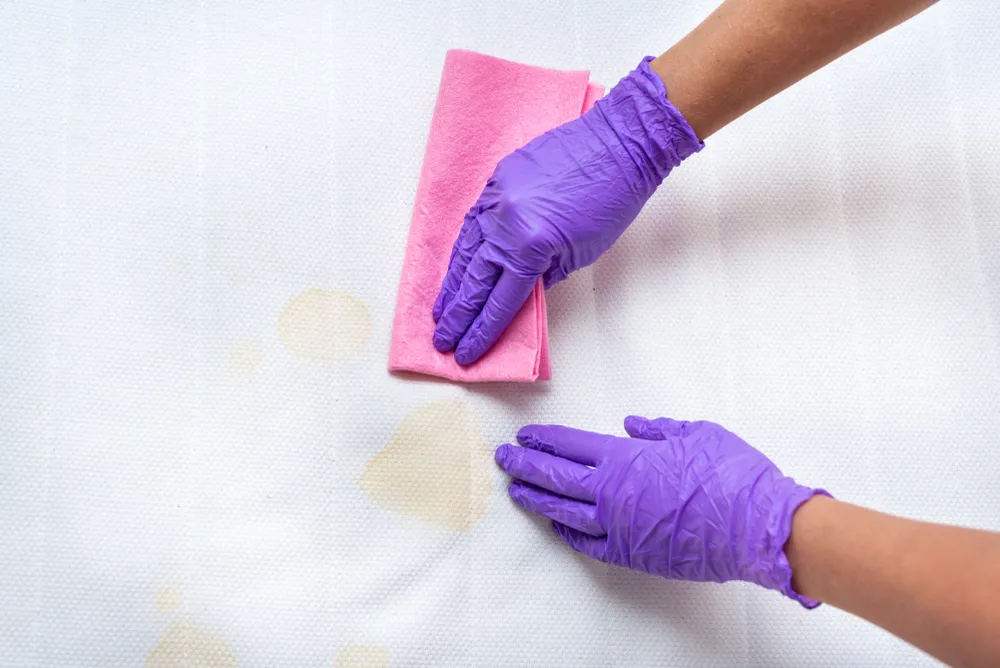
A mild solution of cool water and a small amount of liquid laundry detergent suits many washable covers. The cloth should be damp, not wet, before light blotting begins. Rubbing can spread salts and roughen fibres, so each pass should move from the outer edge inward. A separate cloth removes remaining cleaner. Strong bleach may weaken fabric or create uneven colour.
Neutralise Lingering Odours
Bicarbonate of soda can absorb surface smells after the treated area has dried. A thin layer should remain for several hours, then receive thorough vacuuming. Open windows or a fan can improve air movement during this stage. Fragrance sprays usually mask odours instead of removing their source. Persistent smells may indicate moisture below the outer fabric, requiring deeper extraction.
Use Professional Steam Extraction
A trained technician can assess condition before selecting a suitable process. The inspected Adelaide service lists pre-inspection, pre-vacuuming, deodoriser, bonnet encapsulation cleaning, antibacterial treatment, and steam extraction. Guide prices range from $135 for a single to $220 for a king. Final charges depend on size, condition, and inspection findings. Controlled equipment also reduces excess moisture compared with repeated household soaking.
Dry the Surface Fully
A damp sleeping surface should remain uncovered until no cool, wet feeling remains. Fans, ventilation, and indirect sunlight can shorten drying time without exposing fabric to excessive heat. The bed should not receive sheets while moisture remains below the surface. A dry towel pressed gently across the area can test progress. Any returning smell signals that further drying or treatment may be necessary.
Prevent Fresh Sweat Marks
A breathable protector limits contact between perspiration and the main fabric. Regular washing removes salts before they accumulate. Bedroom ventilation also lowers humidity, which helps discourage dust mites and stale smells. Sheets benefit from weekly laundering, while protectors need cleaning according to their care instructions. Rotating sleeping positions can reduce repeated pressure and moisture in one area.
Conclusion
Sweat stains and odours respond best to early, measured care. Removing bedding, checking instructions, vacuuming first, and blotting with limited moisture protects the surface. Bicarbonate of soda may help with light smells, while full drying prevents trapped dampness. Older marks or deep odours need professional assessment, especially inside foam layers. A washable protector, regular laundering, and good ventilation provide simple prevention for a cleaner, fresher sleeping space.